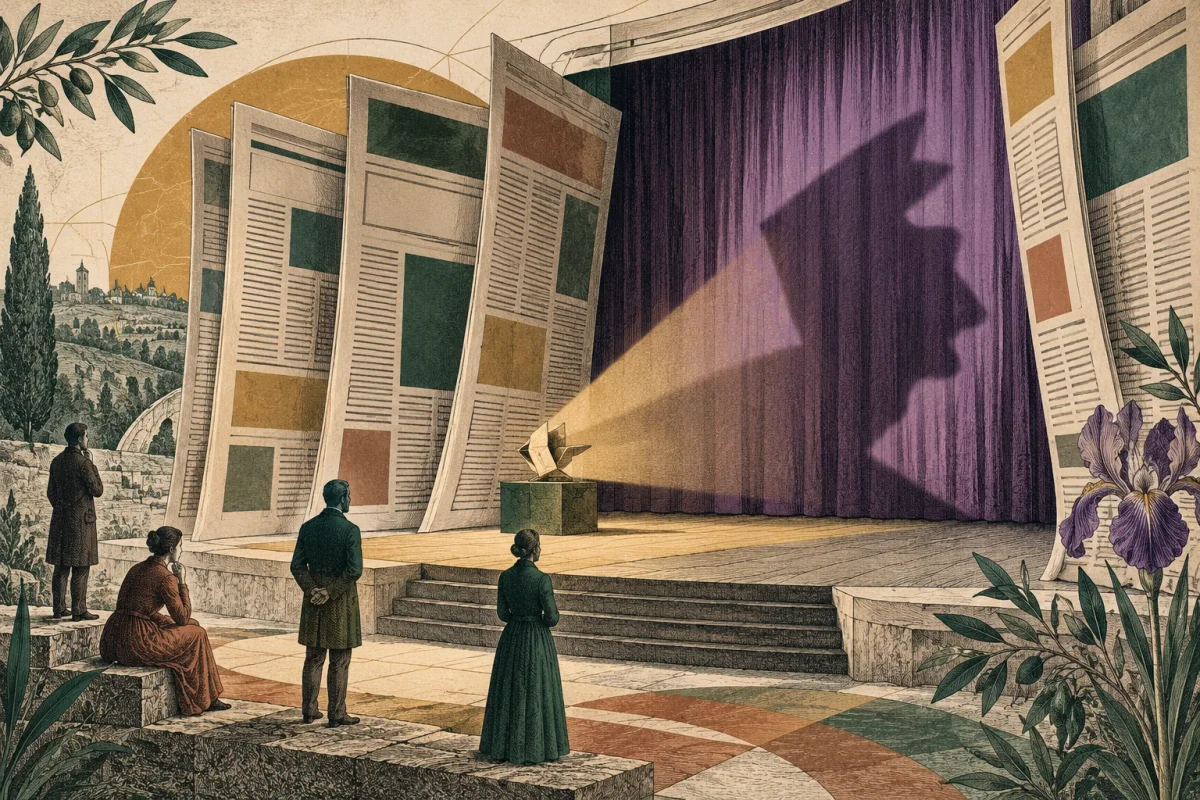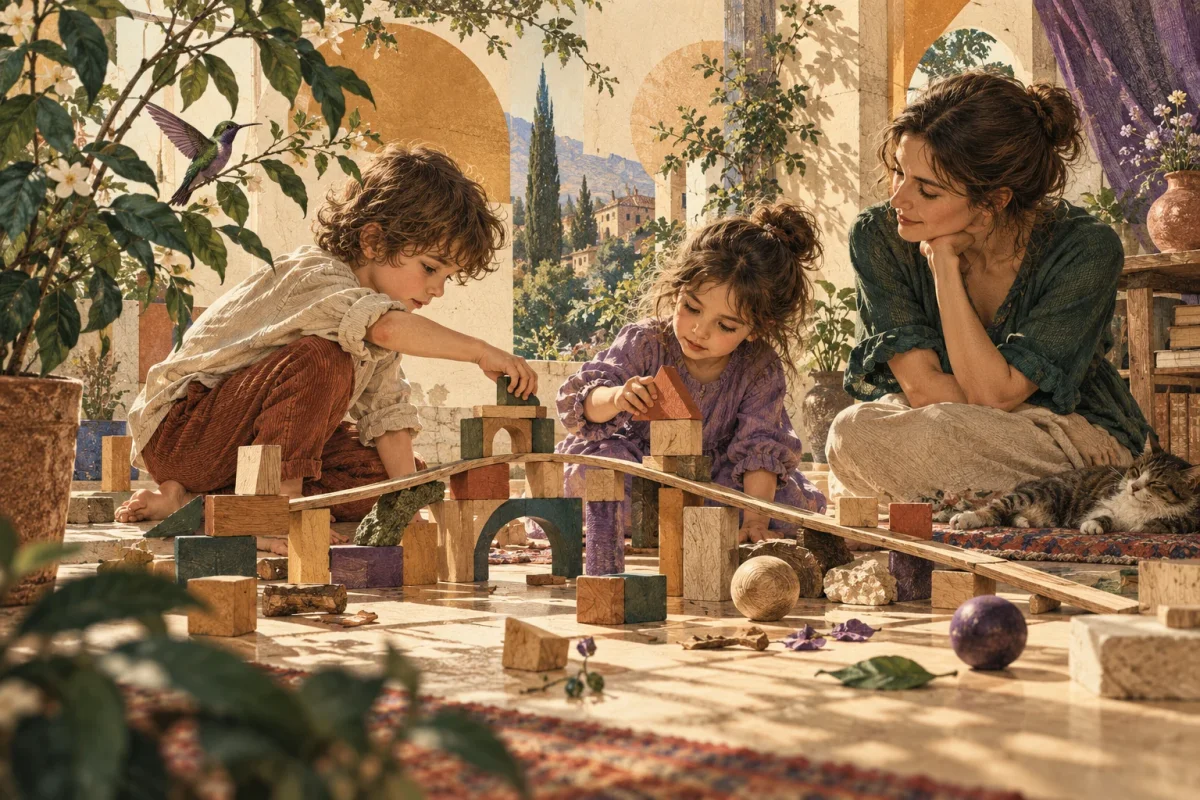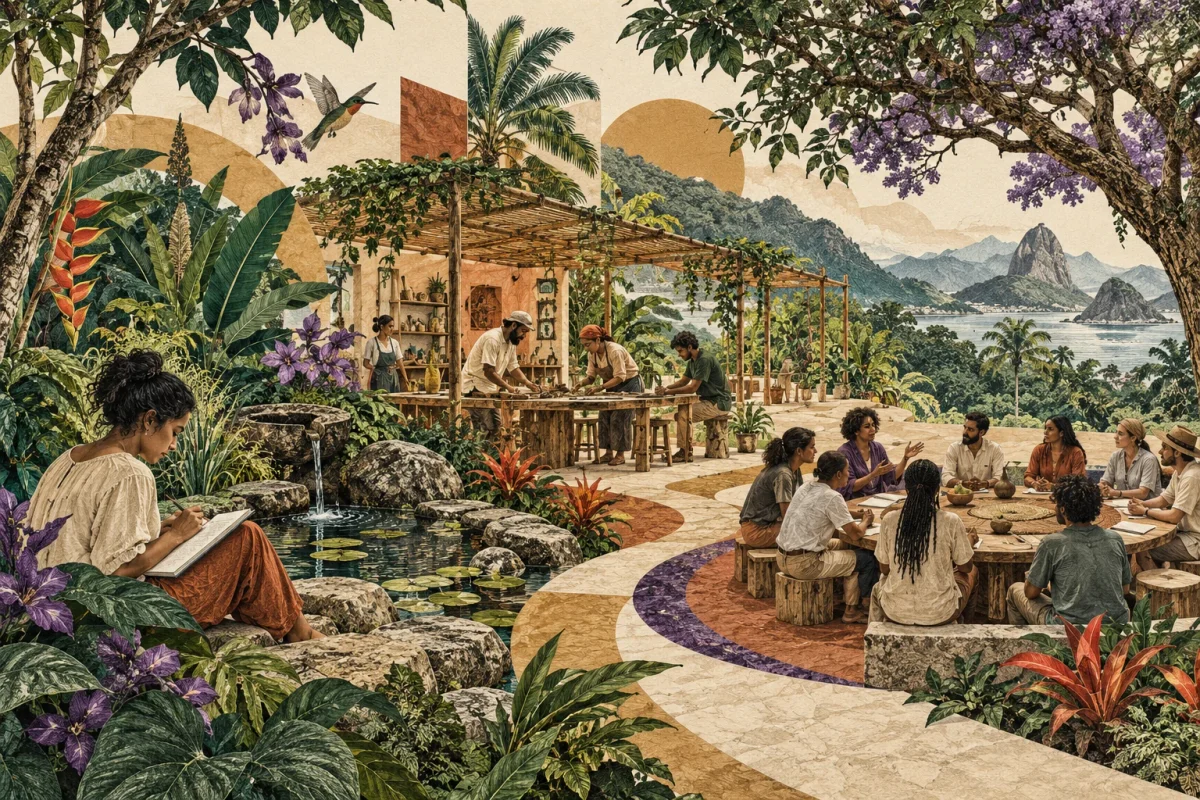
Peace is also measured in the way we discuss at the table, listen to a stranger, or organize a workplace. The distance between these scenes and a war seems enormous, yet they both question the relationship with each other. Can we learn to live together before conflict becomes a breakup? And what knowledge do you need to do that?
The route of UNIPAZ, Brazil, offers a concrete case to know. His interest lies in the proposal to relate education, inner experience and environmental responsibility, seeking a culture of peace that goes through ordinary life. Studying this proposal requires understanding its language and carefully assessing what it says.
A project between research and training
UNIPAZ DF presents itself as a non-profit non-governmental organization, supported by the Fundação Cidade da Paz. In the holistic vision and in the transdisciplinary approach, he points out the foundations of his activities, citing among references Pierre Weil and the A Arte de Viver em Paz program. Information made public by the organization itself: it describes its identity, but does not equate to an independent verification of each training outcome. Institutional presentation UNIPAZ DF.
The word transdisciplinary may seem remote until we bring it back to a daily problem. A conflict in a community involves resources, habits, memories, fears, and languages. Economic analysis illuminates one part; psychological observation another; art can make a still-confused experience defensible. The proposal is to look for connections, keeping the contribution of each field recognizable.
This also requires a methodological limit. Approaching spirituality and science does not make a scientifically proven spiritual conviction. Dialogue becomes fruitful when it allows for more precise questions, without using the prestige of one discipline to avoid the checks required in another.
Three Places to Exercise Peace
We can read the culture of peace through three places of experience. The first is personal: to recognize a reaction before converting it into an injuring gesture. The second is relational: listening to the other's reasons and making their own questionable. The third is environmental: understanding the consequences of our habits on the context that makes cohabitation possible.
This articulation is a work proposal, to be tested in concrete situations. For example, a group may wonder who is always speaking, who gives up intervening, and what decisions remain opaque. The practice of peace takes shape when these observations change the distribution of attention and responsibility.
The UNESCO Recommendation adopted in 2023 links education, human rights, cooperation and sustainable development. It includes adult learning and what happens in families, workplaces, and communities. It offers a wider public reference with which to compare even particular experiences such as UNIPAZ. UNESCO, Recommendation on Peace Education.
Knowing Without Idealizing
An intercultural encounter requires curiosity towards practices that we do not know and attention to the words with which we present them. Defining an organization as a source of inspiration does not mean declaring it capable of responding to every problem. We can ask what activities you carry out, how you prepare those who lead them and how you listen to evaluations and criticisms of the participants.
The Brazilian experience suggests above all a direction of research: bringing consciousness back into the way we inhabit relationships. Peace becomes more concrete when we can recognize its effects in a difficult conversation, in a shared choice, in the care of a space. It is there that a vision meets the responsibility of everyday life.