The River Brings a Question
A river continues to receive a name as its water changes. The image invites us to ask what we recognize when we say that a thing remains itself. Continuity may depend on a process that does not stop.
The relationship between Heraclitus and this figure comes through a history of texts and interpretations. Nel CratylusPlato associates his thought with the movement of things and the impossibility of entering the same water twice. It is an important ancient testimony, available in the dialogue text.
This reference also allows fertile caution: the formula by which we remember a philosopher may be the result of his reception. The thought reaches us through quotations, translations and choices of those who have read it. Rebuilding these passages broadens the understanding of the most famous image.
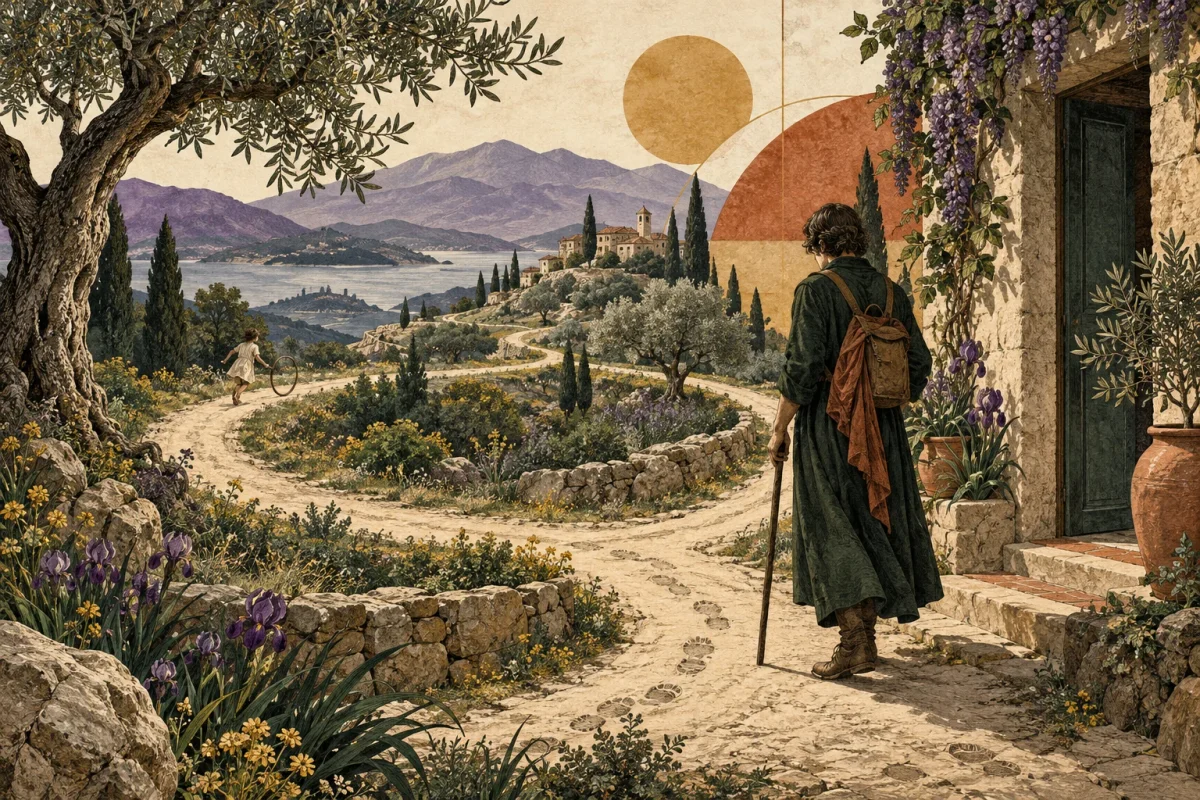
In daily life we recognize a similar difficulty. A relationship changes even when it continues to be called friendship. A place remains home through transformations of people and habits. Sometimes the name retains a continuity; other times it covers a change we have yet to learn to see.
Tension holds together
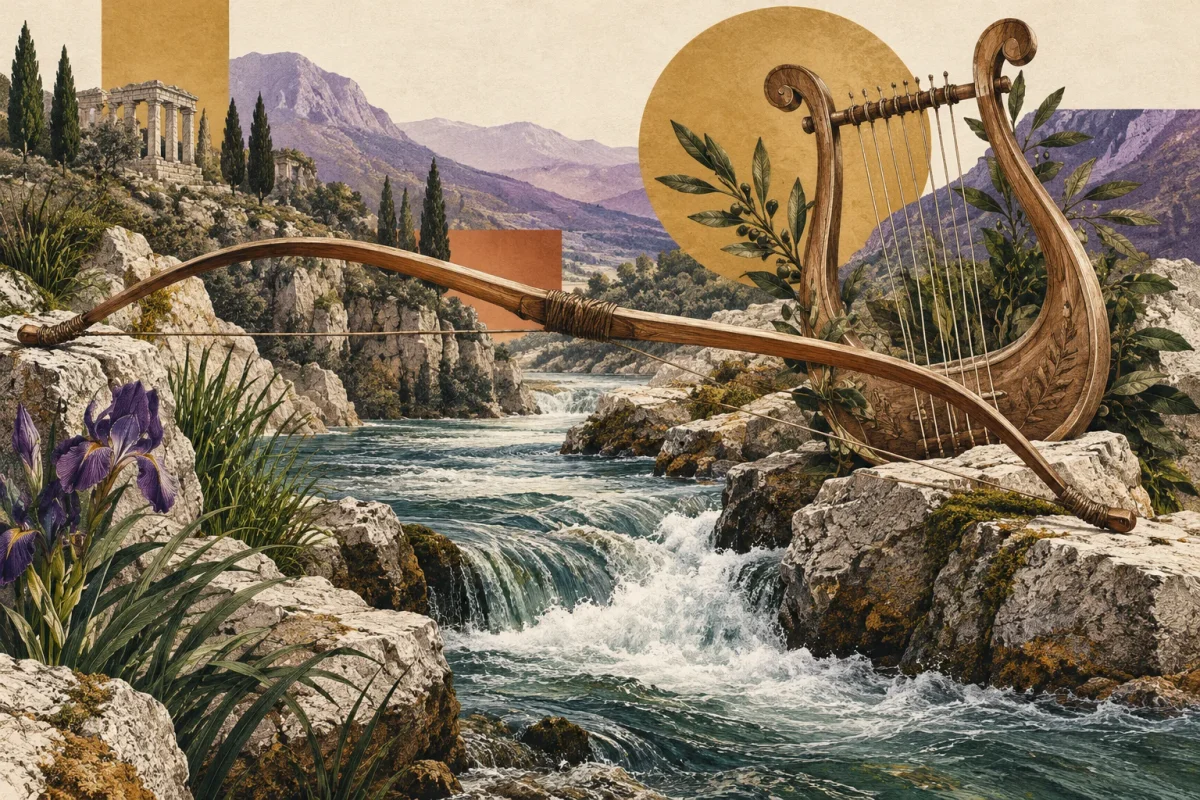
The fragments collected by John Burnet and reproduced in the Internet History Sourcebook combine the problem of unity with that of opposition. The bow and the lyre offer images of a connection that lives through different tensions. The primary material is accessible in the collection hosted by Fordham.
The image changes the meaning of harmony. A set can function without eliminating the forces that pass through it. Reducing any difference to a disorder risks erasing the very conditions that make a form possible.
This does not mean that any conflict is beneficial. A philosophical image does not justify concrete violence. Rather, he asks to observe what relationship between forces allows something to exist and what tension risks instead of destroying it. Judgment requires attention to the situation.
In a conversation, for example, disagreement can make a problem more precise. But conditions are needed that allow people to speak and listen without being crushed. The difference contributes to research when it can be expressed and when comparison has understandable consequences.
Unity thus becomes a relationship to be studied. It is not enough to declare that everything belongs to a whole: one must understand how the parties meet, what exchanges support them and where the form stops holding.
Listening to what is common
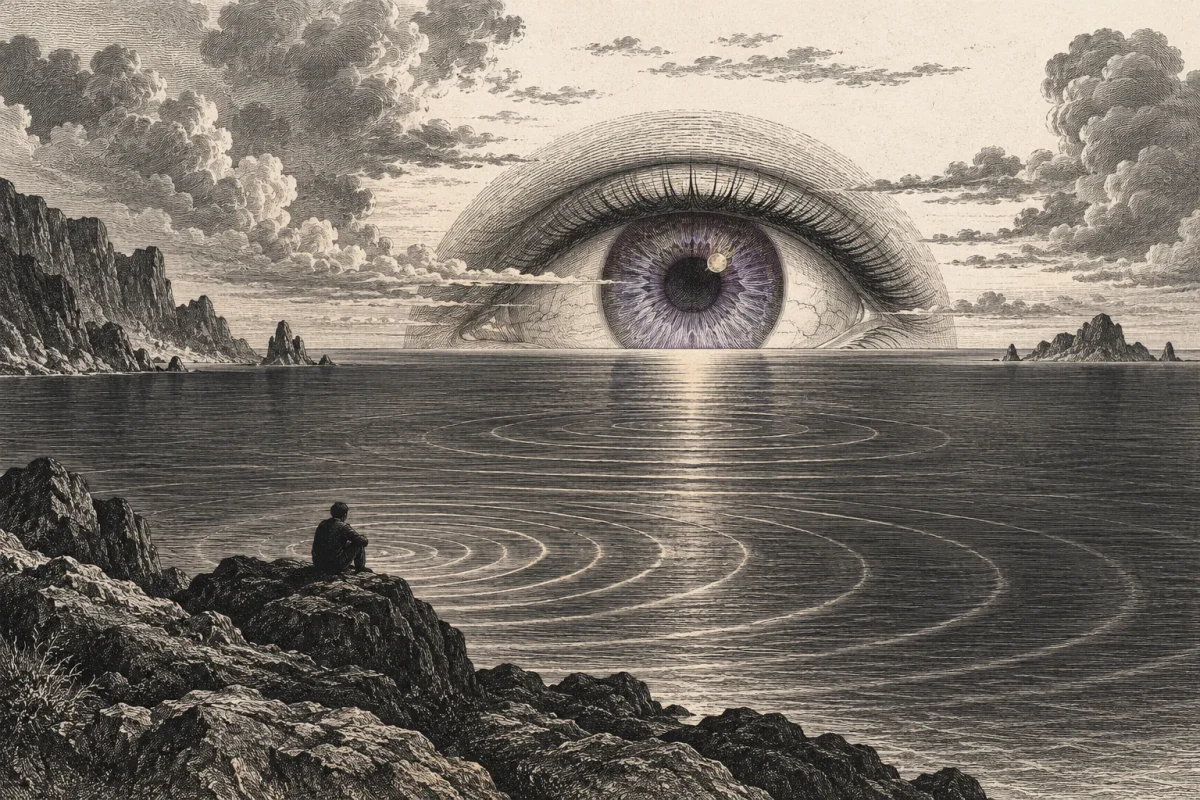
In the same collection, logos appears as a common dimension that humans struggle to understand. The abundance of information does not guarantee a listening capable of recognizing relationships. The focus is on how we encounter what is already before us.
The question is current in an environment full of messages. We can know many opinions and continue to interpret each event through one expectation. The novelty passes on the screen without changing the look. They change the contents, while the gesture with which we receive them remains identical.
Taking change seriously therefore also requires observing what persists. What habits organize our responses? What relationship is preserved under new words? A surface change can leave intact the conditions we wanted to transform.
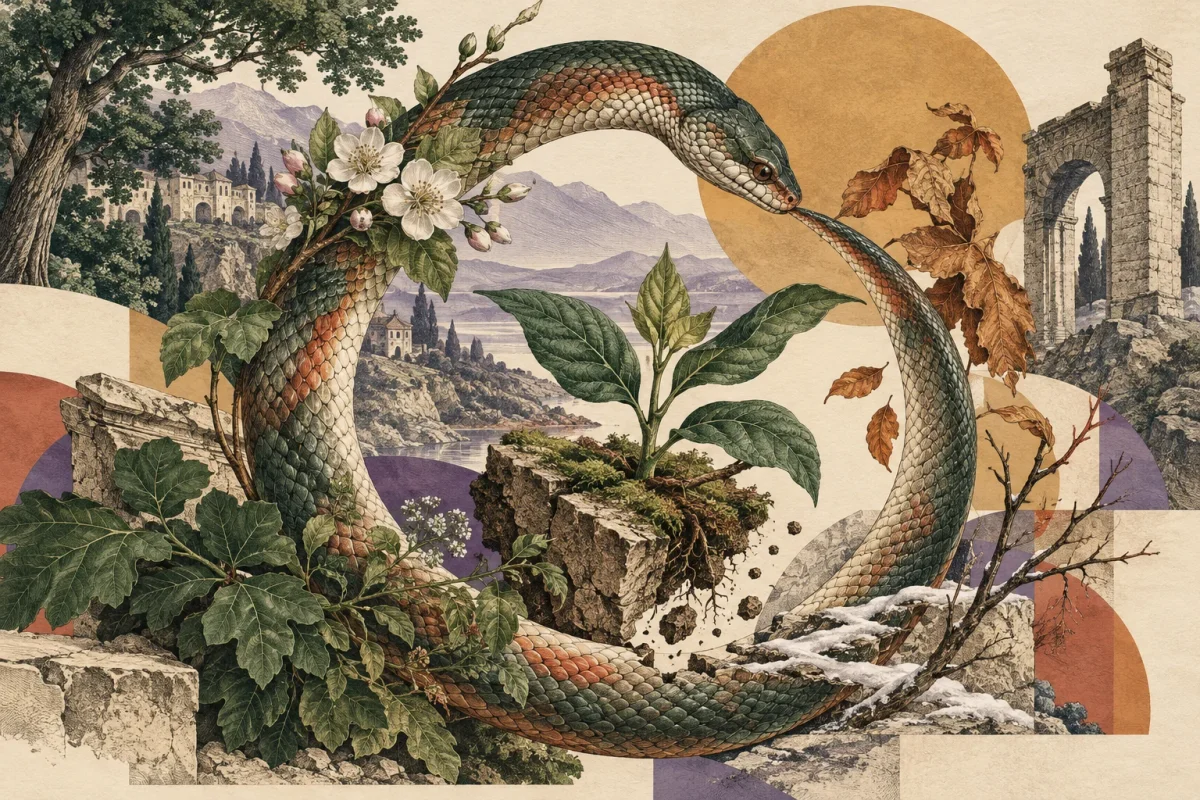
The image of the river then avoids two simplifications: to imagine a completely immobile identity or a flow in which every form disappears. The interesting problem concerns continuity through transformation, and the work needed to recognize it.
Heraclitus can be read as an invitation to seek the measure of relationships. The world changes and, within this movement, it offers connections to understand. We can learn to follow them without claiming to stop the water, keeping the question about what still makes the river recognizable.