We happen to have an answer before we even heard the question. A news ignites a judgment, a word recalls an opponent, an image tells us what to desire. The speed of recognition may seem like a form of autonomy: we already know how to orient ourselves. But where did that first answer come from?
The question of freedom of thought enters life through these small steps. It goes through what we read, the way we work, the relationships we cultivate, and the spiritual beliefs with which we seek meaning. You don't have to imagine a hidden director to realize that our gaze has a story.
Frames become invisible
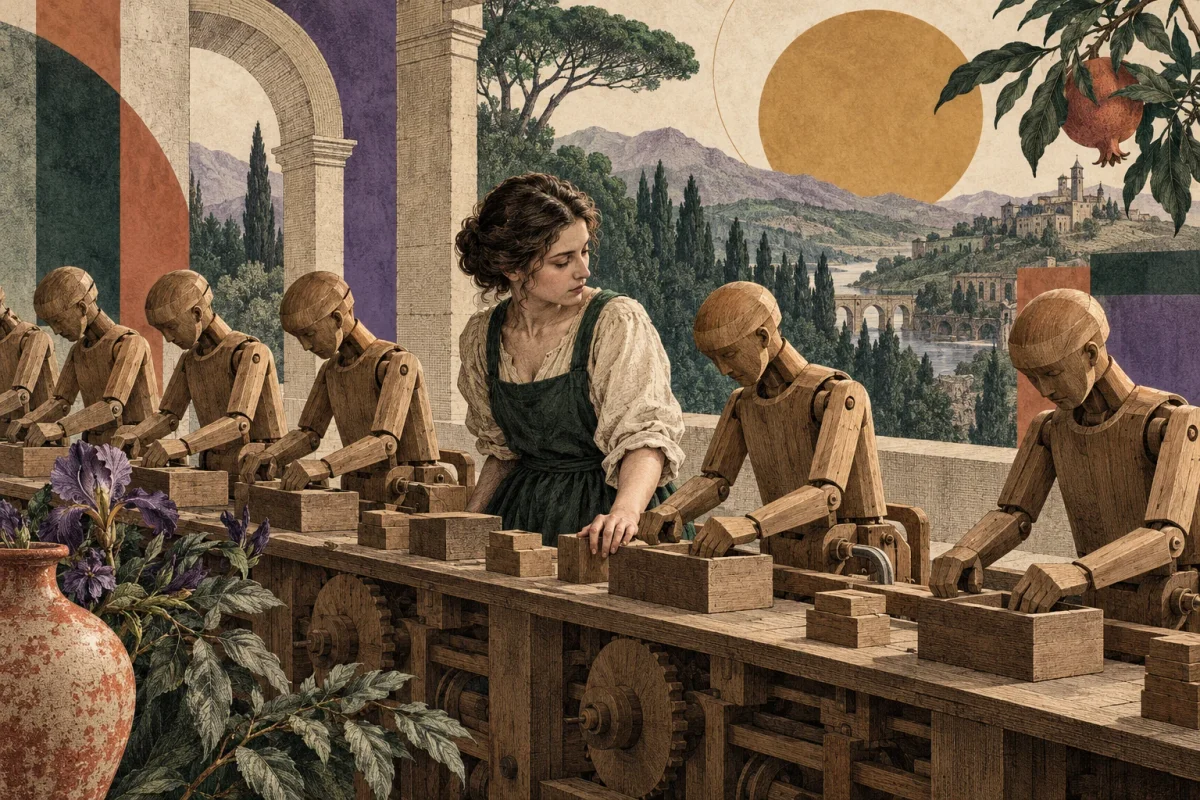
A frame works even when we stop seeing it. It can be the professional language we use every day, the reading of the inherited world in the family, the habit of considering credible those who speak with confidence. Many of these forms help us: without memory and recognition we should start over every time from scratch.
The problem arises when familiarity becomes the sole criterion. If an idea reassures us, we can confuse that feeling with a match. If a position irritates us, we can close the search before we understand the reasons for it. It happens even when we consider ourselves independent: the image of being free can become one of the most difficult beliefs to question.
A newspaper headline offers a simple example. We can ask ourselves what it relates, what words it chooses and what reaction it invites us to perform. Then we can observe our reading: what detail have we given weight to? What information did we look for first? The same question changes when it also includes who formulates it.
Observe also those who observe
In the Saanen conference of July 29, 1973, Krishnamurti distinguished awareness, observation and meditation. His reasoning questions the presence of the past within the gaze: memory, experience and images of self can interpret the present before we encounter it. It is a philosophical invitation to examine the relationship between observer and observer.
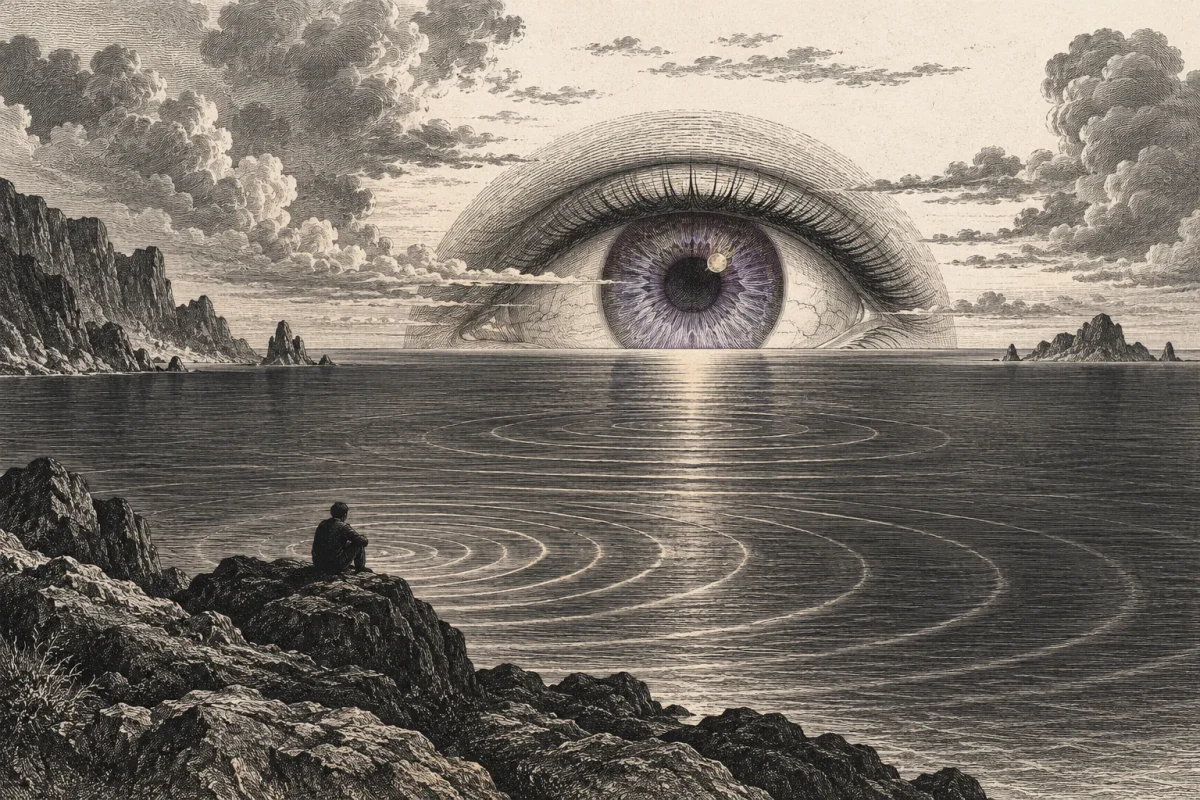
A different tradition, that of Gurdjieff, insists on the quality of attention. In the texts collected by the Gurdjieff International Review the idea of an attention directed at the same time to what is observed and to oneself appears. The work is described as gradual, linked to small and repeated gestures.
These perspectives do not need to become a single system for dialogue. The question they bring to the everyday is concrete: can I notice my way of participating in what I am experiencing? During a conversation, for example, I can notice when I prepare a defense while the other person is still speaking. That recognition opens up a margin other than simply waiting for one's turn.
The Spiritual Dimension of Demand
To speak of conscience also means to take seriously the search for what exceeds our usual definitions. There are those who live this openness through contemplation, who through a religious tradition, who in art or in contact with nature. They are experiences that can change the relationship with time, with others and with the self-image.
Their intensity deserves precise words. An inner transformation can have a profound value for those who go through it; the account of that experience offers a knowledge of lived life. When we extend it to a general explanation of the world, we make a further step. Recognizing it allows you to continue your research more carefully, keeping even the broadest questions open.
Spirituality can then become an exercise in availability: letting a meeting change a belief, accepting that you don't already know everything, listening to what isn't on your map. Even a spiritual practice can stiffen into automatism. The possibility of observing it belongs to the same freedom that it seeks.
An interval before reply
We can start with a news story that hit us today. Reread it, trace the document to which it refers, recognize the emotion it has aroused. Then we wonder what element might change our minds. If no answer is possible, perhaps we are defending something other than a provisional conclusion.
This interval does not guarantee a perfectly free thought. However, it offers a place where memory, intuition, verification and relationship can meet. A reaction becomes visible; a word can be chosen again. Change also begins this way, the moment we stop exchanging every thought that goes through us for the last word about who we are.