What We Receive Before Choosing
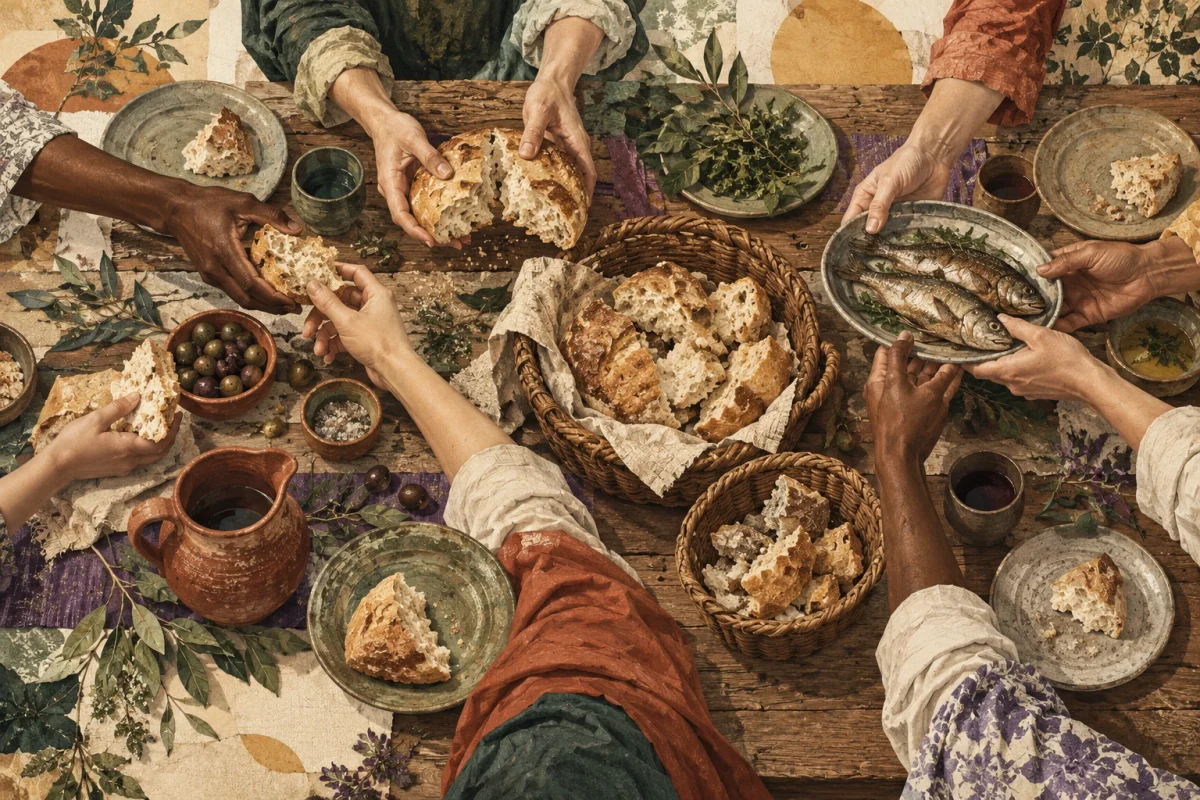
A language, a story, the time of those who listened to us: a decisive part of life comes before every contract. We can reciprocate it, transform it, transmit it. We can hardly calculate its price without losing something of the relationship from which it comes.
The dimension of the gift thus also goes through knowledge. An open library, a cultural meeting, a shared text allow someone to start a search. The offeree does not necessarily know the recipient and may not receive any personal return. The value of the gesture includes this availability to the unexpected.
In the encyclical Caritas in veritate, Benedict XVI places gratuitousness within economic and social life. It connects it to fraternity and justice, demanding that economic activity may accommodate relationships that exceed the equivalent exchange alone. The third chapter develops this perspective within the framework of the Catholic Social Doctrine.
The proposal also affects those who start from other beliefs. He invites us to ask what forms of relationship we produce when we measure each gesture only through its immediate return. A culture of sharing requires spaces in which the contribution may have a broader sense of individual advantage.
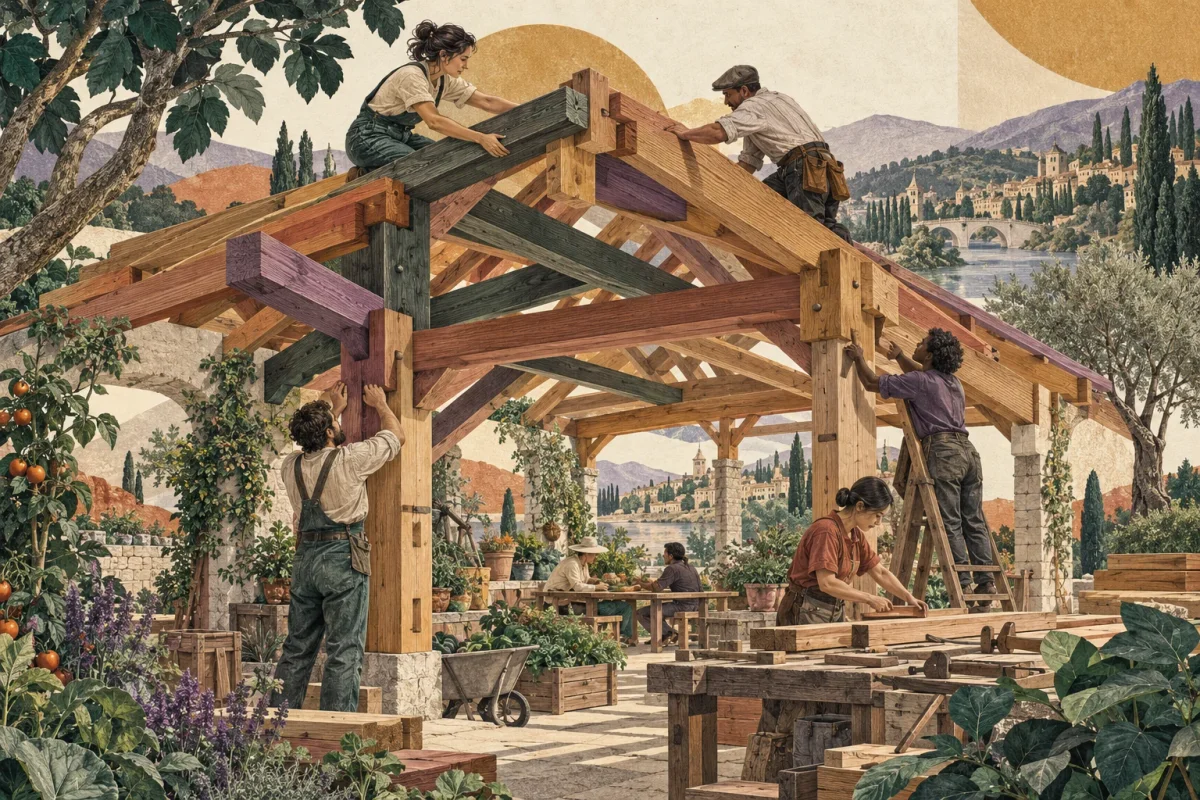
The work behind an open door
Free access to a content does not make the time required to produce it free of charge. Reading, checking a source, translating, recording, layout, and storing are real activities. Someone assumes the cost, through money, labor, or the availability of means.
A cultural community must be able to look clearly at these conditions. Otherwise the word gift risks covering a silent distribution of burdens: always the same people work, always the same give up being recognized. Generosity becomes fragile when it lacks a way to express even its own limit.
In the Gospel of Luke, the sending of the disciples combines the journey without material reservations with the welcome and sustenance offered in the homes. The recognition of the work appears inside a scene of hospitality. This tension is present in the text of chapter ten.
Read today, it suggests a concrete question: how to support what we want to make available? The responses can be many, from voluntary participation in declared economic contributions. Each form requires understanding who can enter, who decides, and what freedom the recipient retains.
Supporting without acquiring a conscience
Money also introduces a question of independence. Who contributes to a cultural project supports the possibility of research or expects to guide its conclusions? The distinction becomes visible in rules and behaviors, especially when an editorial choice displeases someone.
Making the use of resources understandable can strengthen confidence. An ordinary expense does not necessarily have to be clothed with a spiritual meaning. An economic support does not measure a person's inner value. The relationship remains freer when no one is forced to demonstrate belonging through what they can pour.
Even time deserves the same attention. Those who participate can offer skills, listening, caring for places or a question capable of changing a discussion. Recognizing this plurality prevents economic capacity from becoming the only visible form of contribution.
Sustainability perhaps begins with a promise simple enough to be kept: to make clear what is being offered and what it takes to continue offering it. Gratuitousness finds a home when openness to others is accompanied by the concrete care of the people who make it possible.