A Voice Inside the Rite
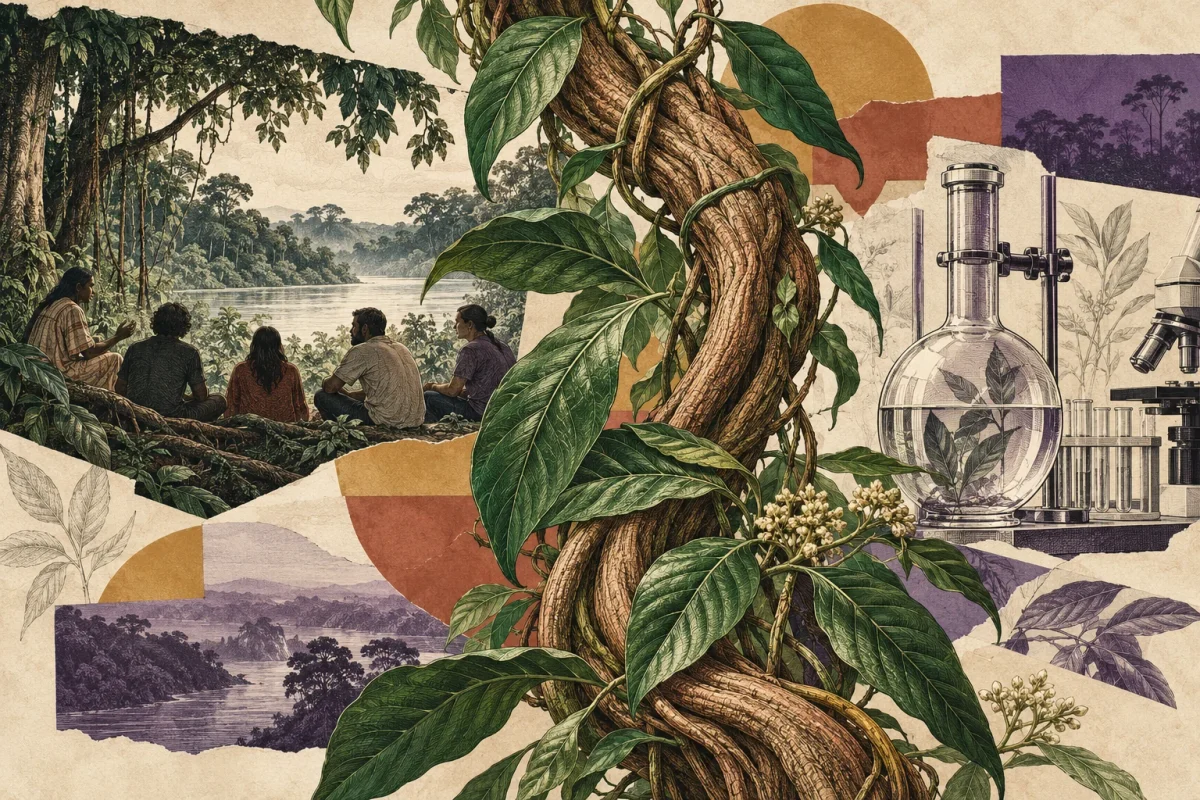
What do you look for when you talk about ayahuasca: a spiritual experience, a personal transformation, a therapy? Answers can live together in the same person, but they require different languages and verifications. The word gathers much broader expectations than a substance. It calls for a relationship with nature, the presence of other participants, the singing, the memory of a community.
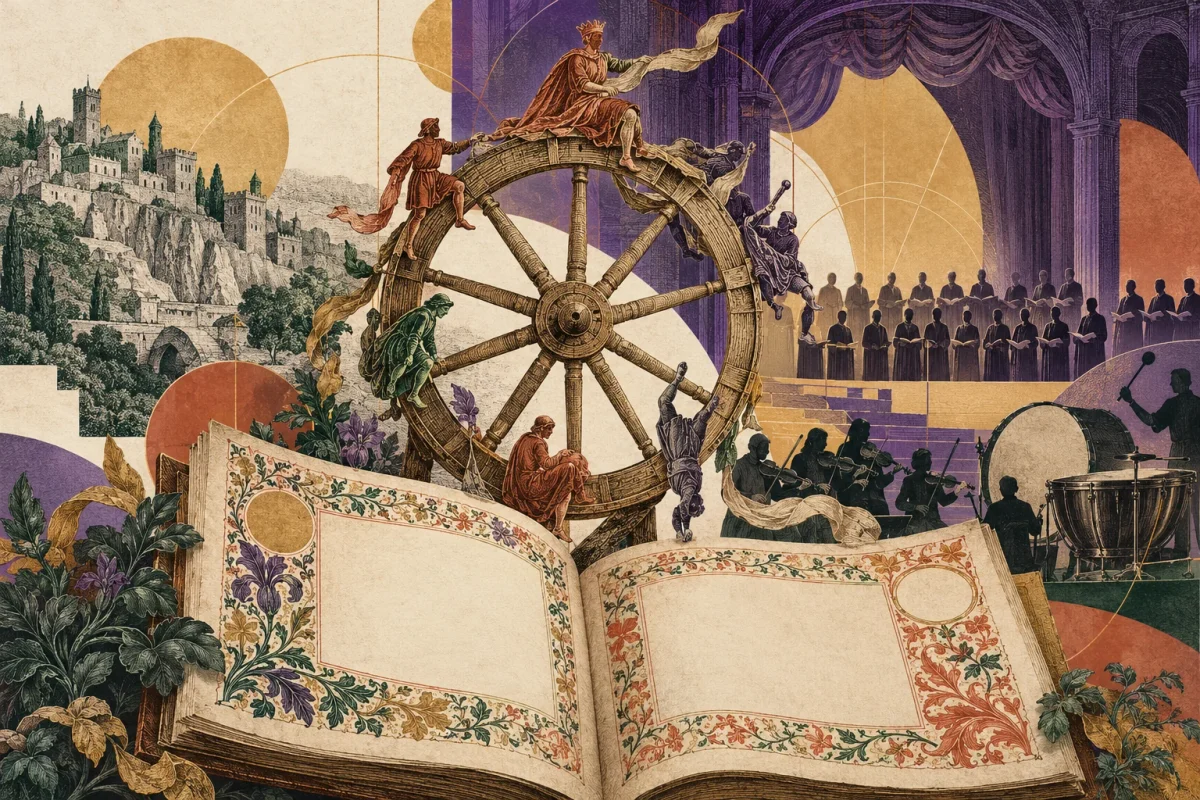
In the description of the Holy Daime proposed by the Iceflu archive of hymns, the hinários preserve the teachings of the tradition. Their origin is told as spiritual reception: music belongs to doctrine and religious path. It is the way in which a community understands and conveys its experience, documented in its internal sources.
Listening to this voice means recognizing that a song can be sound, memory and orientation together. Its function does not end in producing a measurable effect. Singing people can feel part of something that precedes their biography. For an outside observer, the interesting question also concerns how that meaning is constructed, shared and transformed over time.
The Santo Daime constitutes a specific tradition. It would be reductive to hire him as a representative of every ritual use of ayahuasca or to bring all experiences together under one indistinct shamanism. Respect also begins with the precision of names.
What a study measures
Clinical research formulates a more circumscribed question. A randomized study published in Psychological Medicine compared ayahuasca and placebo in twenty-nine people with treatment-resistant depression, finding favorable differences on some depressive measures in the following days. The control reached seven days: an interesting initial result, with small sample and short observation, as shown by the original work.
Those measures describe a clinical course under defined conditions. They do not establish that every intense experience is therapeutic, nor do they verify the nature of the presences or realities subjectively encountered. A vision can be of decisive importance to those who live it, while its interpretation remains a further issue.
The idea of transformation also deserves time. What happens after the initial enthusiasm? Do relationships, habits, the ability to face a difficulty change? The continuity of daily life allows questions that the tale of the culminating moment leaves open. Testimonials may suggest leads; more extensive observations are needed to assess duration and frequency of effects.
Intensity is not enough to orient
The possibility of significant experience coexists with concrete risks. The Irish Health Service reports unpredictable effects, possible psychological difficulties, cardiovascular variations and dangerous interactions with medicines and other substances. Also remember that composition and strength of preparations can be uncertain. These are aspects described in the institutional data sheet on DMT and ayahuasca.
These elements change the way spiritual research is told. Suffering during an experience does not automatically prove that a healing is going on. Attributing a positive meaning to it would make it difficult to recognize harm and listen to those who came out of it disoriented. The dignity of the testimonies also includes those that disturb the expected account.
The most fertile boundary then crosses three questions: what sense is experienced, what change can be documented, what consequences require attention? Keeping them open makes it possible to investigate conscience with respect for traditions and human vulnerability. The mystery retains space just when the desire to understand it agrees to be patient.